Revisiting BBL and IPL Technology In 2026
It is hard to believe how much has changed (and how much has remained consistent) since
we first introduced Sciton’s Broad Band Light technology to Youth Lab in 2018. What began
as an exciting addition to our treatment menu has since become one of our most requested
and clinically impactful services.
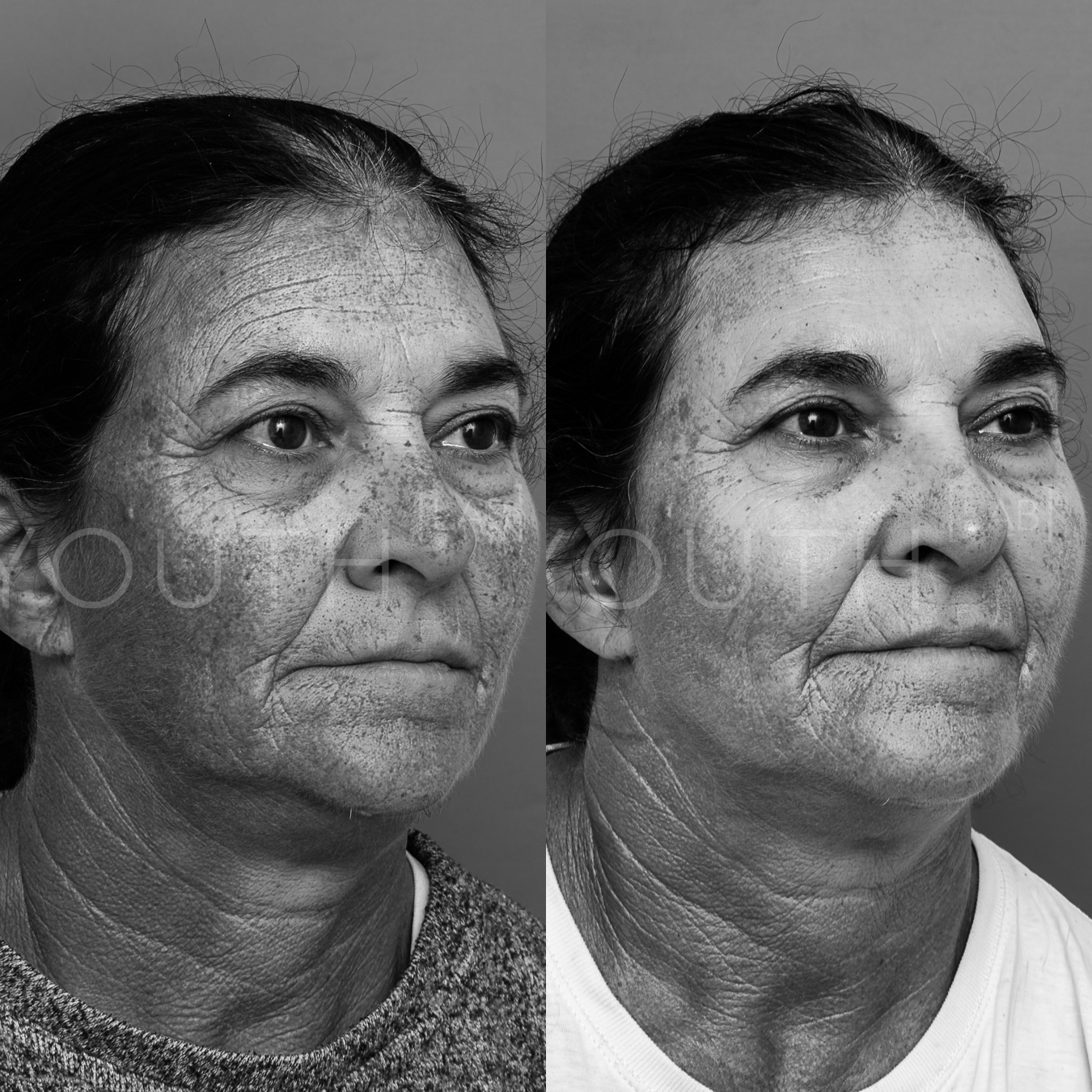
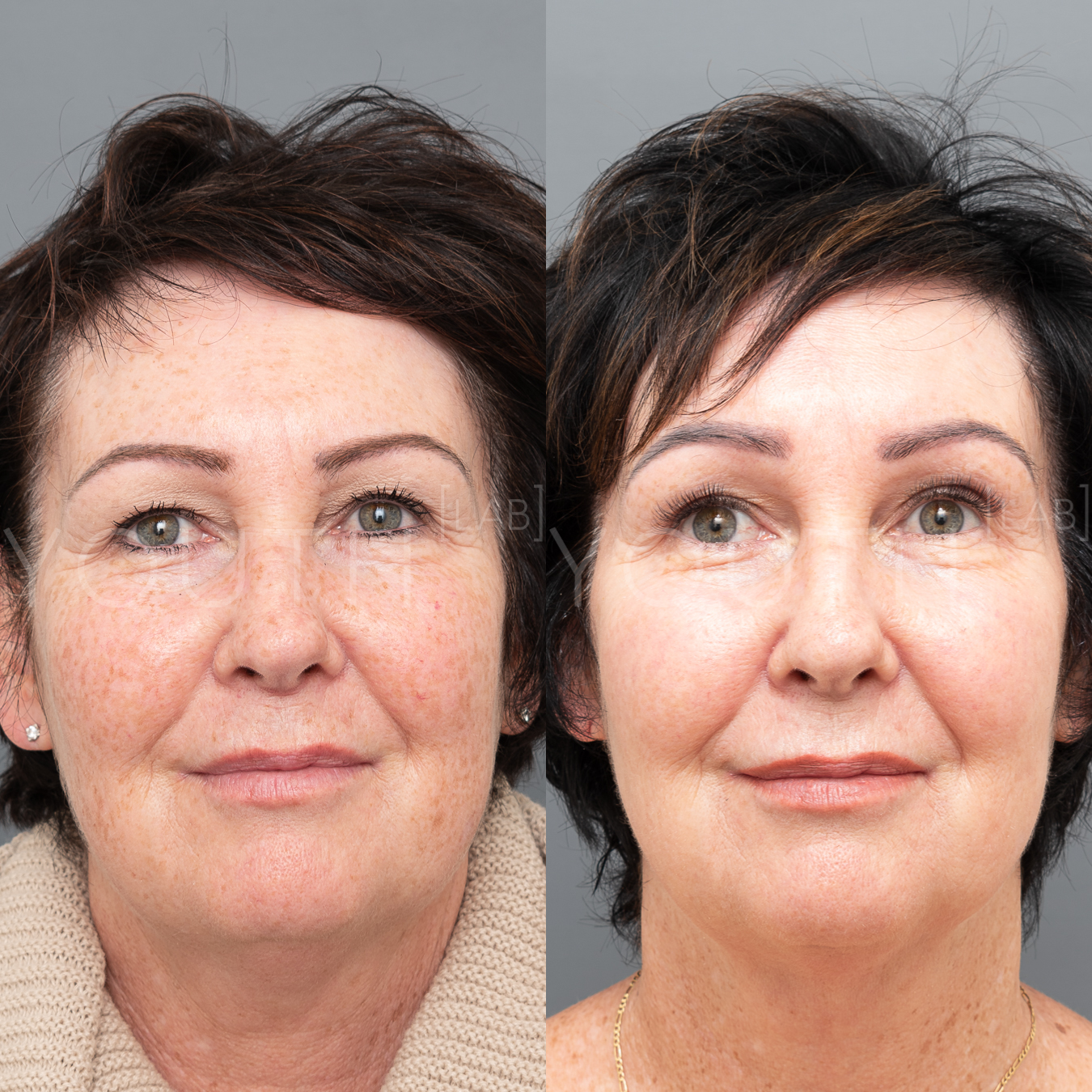
Having performed thousands of BBL treatments over the years, the clinical outcomes
continue to speak for themselves. To mark this evolution in our practice, it felt timely to
revisit and update this blog!
Please note: All treatment outcomes vary between individuals. The information provided
here is general in nature and does not constitute medical advice. A thorough consultation
with a qualified practitioner is essential prior to commencing any treatment.
BBL vs IPL Photorejuvenation – The Difference Explained
A question we hear frequently in clinic is: “What is the difference between IPL and BBL?” It is
a worthwhile question, and the answer has real implications for treatment outcomes.
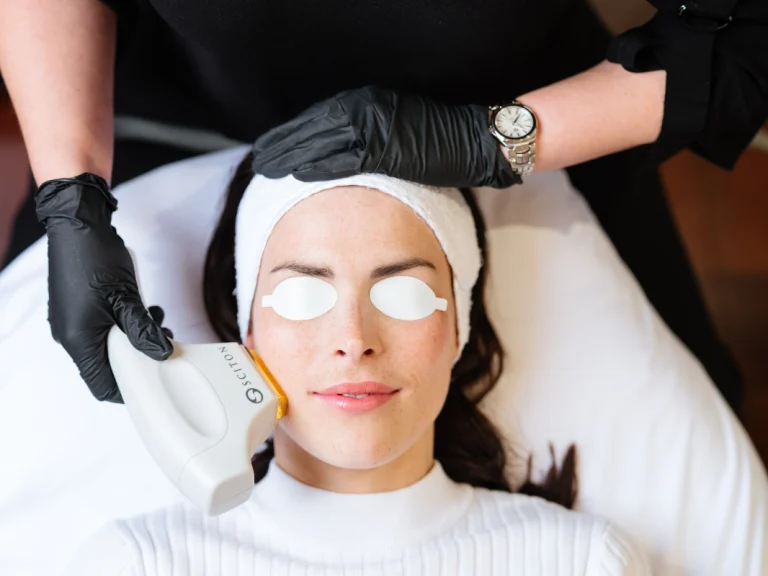
IPL (Intense Pulsed Light) and BBL (Broad Band Light) both work by directing light energy
into the skin, which is absorbed by a target chromophore — such as melanin in
pigmentation, haemoglobin in vascular concerns, or the bacteria associated with acne. This
light energy is converted to heat, which damages the target tissue and initiates the skin’s
natural healing response, stimulating collagen and elastin production and restoring a
healthier skin state.
While the underlying principles are shared, significant differences in technology distinguish
BBL as a category of its own.
Broad Band Light (BBL) Overview
Light-based therapy has been a well-established treatment modality for over a decade,
offering reliable and clinically supported outcomes for photodamaged skin, pigmentation,
vascular concerns, and the visible signs of ageing.
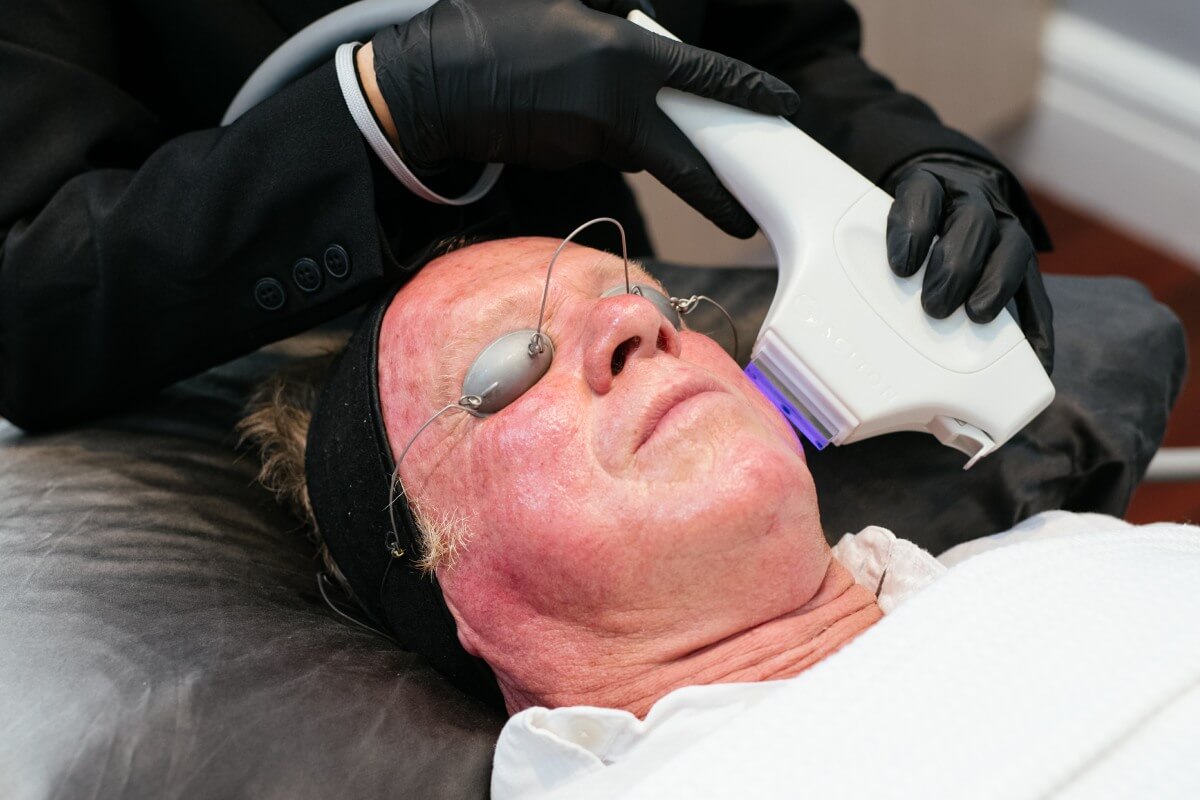
BBL represents the most advanced iteration of this technology. It delivers highly accurate,
personalised parameters that allow clinicians to target specific skin concerns with a level of
precision not achievable with standard IPL devices. Concerns commonly addressed with
BBL include:
- Uneven skin tone and texture
- Pigmentation and sun damage
- Broken capillaries and facial redness
- Rosacea
- Post-inflammatory bruising
- Active acne
- Visible signs of ageing
- A noteworthy advancement within the BBL platform is the treatment of acne. Using a
combination of photochemical and photothermal settings, BBL is able to address acne
through multiple mechanisms simultaneously, which may support faster and more sustained
improvement for suitable candidates.
Peer-reviewed research suggests that regular BBL treatments may not only slow the
appearance of cellular ageing but may also influence gene expression in skin cells, with
studies indicating a partial restoration toward a more youthful genetic profile. This forms the
scientific basis for the Forever Young BBL protocol, discussed further below.
Intense Pulsed Light (IPL) Overview
The increased demand for light-based treatments has led to a significant proliferation of IPL
devices across the industry — ranging from high-quality medical-grade systems through to
low-cost, unregulated machines available in non-clinical settings.
It is important for consumers to understand that not all IPL devices are equivalent. Device
quality, operator training, and treatment parameters all play a significant role in both the
safety and the efficacy of treatment outcomes. The most commonly reported adverse events
associated with IPL (including hypo or hyperpigmentation and suboptimal clinical results)
are frequently attributable to incorrect parameters, poorly calibrated equipment, or
inexperienced operators.
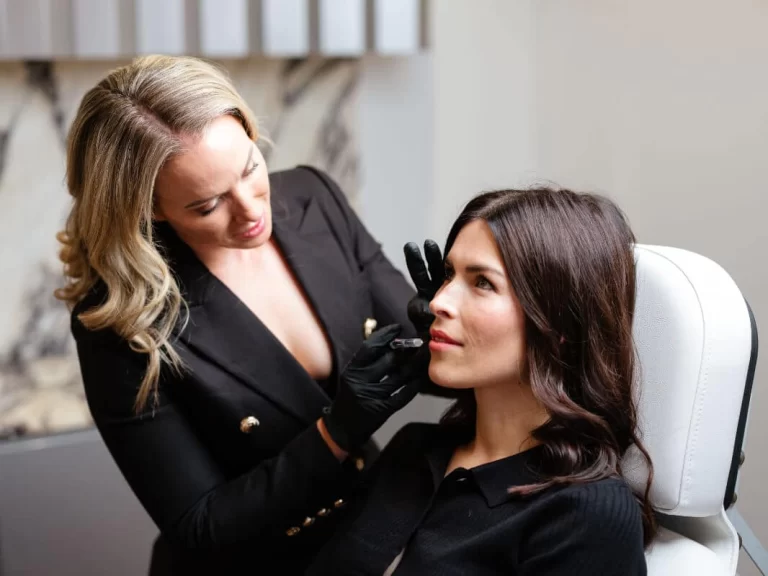
We encourage all patients considering any light-based therapy to seek treatment from a
qualified and experienced practitioner using reputable, clinically validated technology.
Choosing a provider based solely on price may carry meaningful clinical risk.
Clinical Imaging
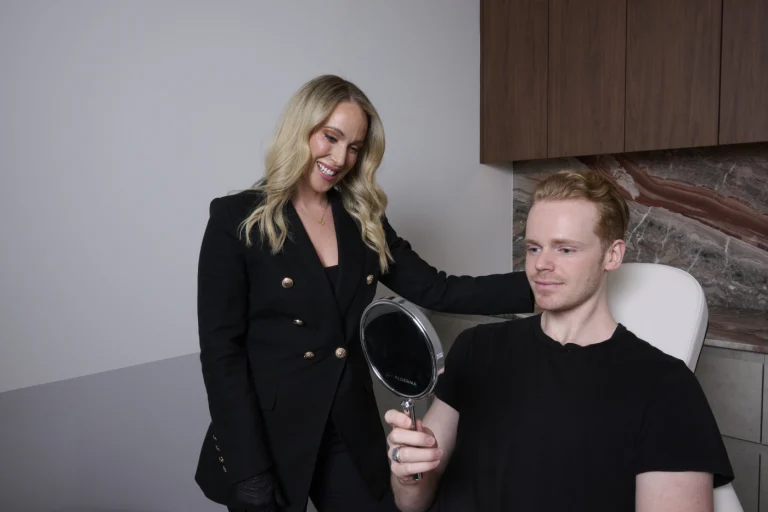
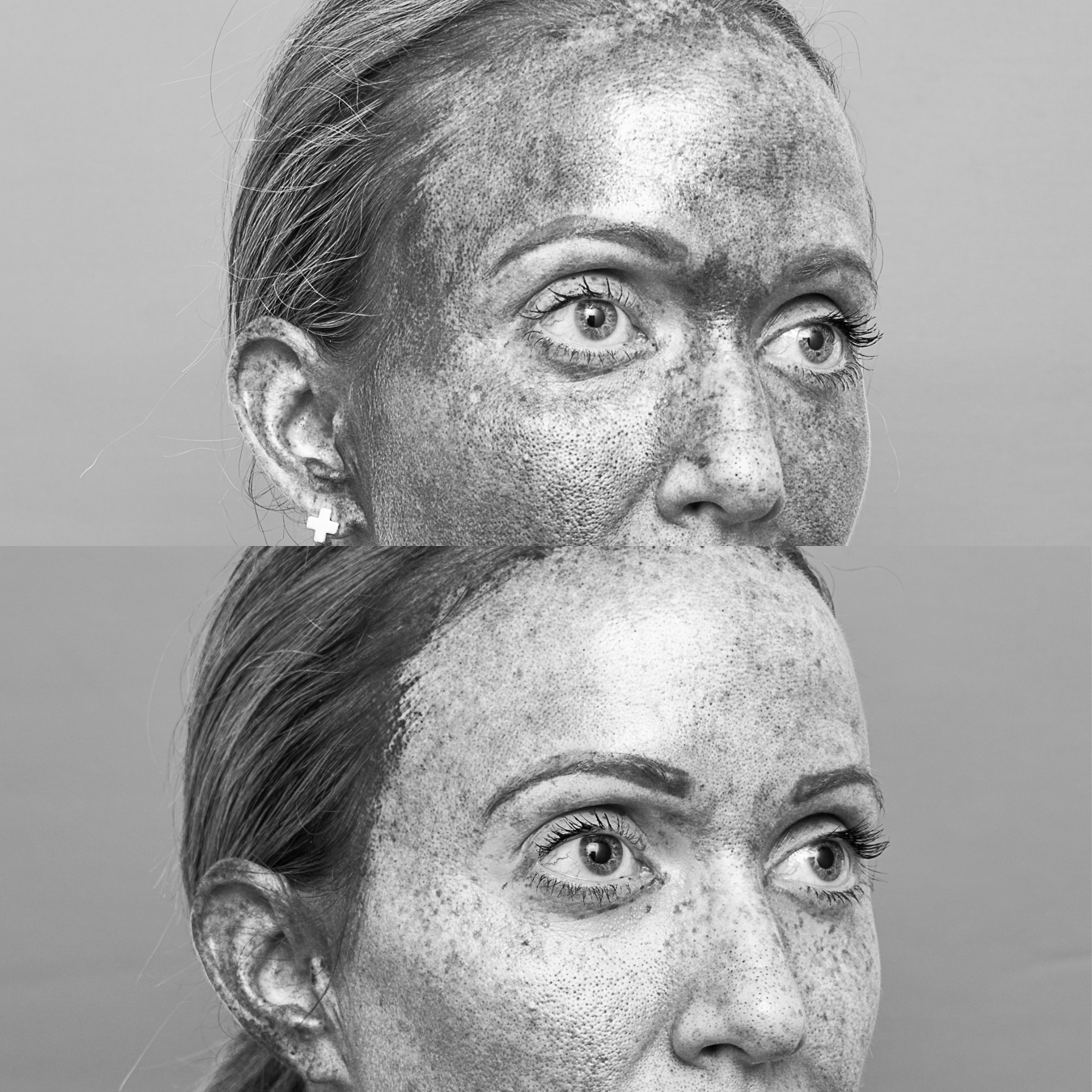
At Youth Lab, our consultation process incorporates state-of-the-art clinical imaging
technology. This allows us to assess skin concerns in greater depth than is possible with the
naked eye, including dermal pigmentation, areas of vascular reactivity, and patterns of
flushing or irritation that may not be immediately visible.
Clinical imaging is an invaluable tool for both treatment planning and tracking progress over
time. All images are stored confidentially and used only with the informed consent of the
patient.
Note: Before and after images shared in clinical education materials are used with the
express consent of the individuals concerned. Individual results will vary.
What Is Forever Young BBL?
The Forever Young BBL protocol is designed as a maintenance-focused treatment to
support skin health over time and delay the visible signs of ageing. It is distinct from BBL
Photorejuvenation, which is targeted toward addressing a specific, active skin concern.
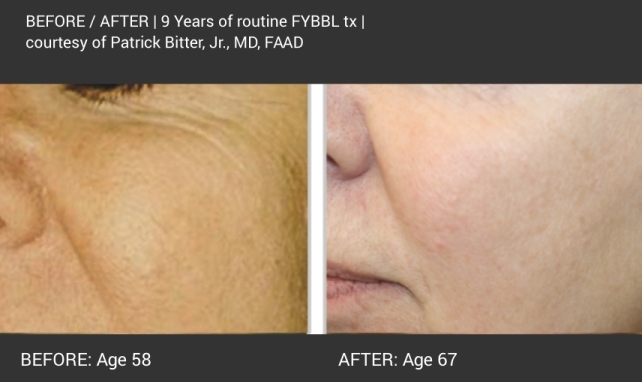
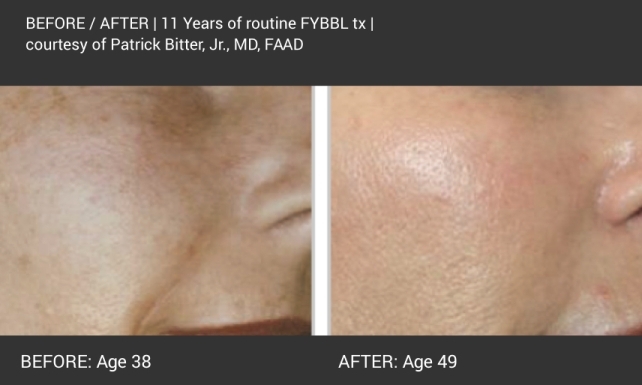
Forever Young BBL is the first treatment of its kind to be supported by evidence suggesting
it may delay the appearance of visible skin ageing across a broad range of skin types,
including those with Fitzpatrick skin types IV and above. In addition to visible clinical
improvement, long-term research has suggested that regular BBL treatments may
favourably influence the expression of youth-associated genes in aged skin cells.
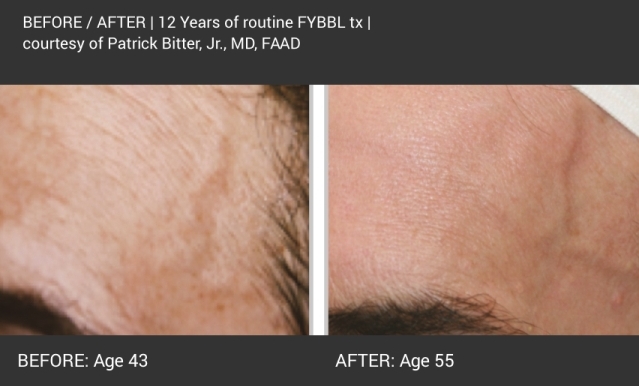
A published study involving 15 participants aged 38–69 years, who had received a minimum
of one BBL treatment per year over a period of 5–11 years, demonstrated that skin condition
appeared largely unchanged over this timeframe. Further genetic analysis found that of
2,265 genes whose expression was altered in aged skin, 1,293 were restored to an
expression pattern more consistent with younger skin following regular BBL treatment.
These findings provide meaningful scientific support for the age-management benefits of this
protocol. Optimal results are generally associated with two to four treatments per year.
Treatments are well-tolerated with minimal expected downtime.
As with all treatments, individual results will vary. A thorough consultation is required to
determine suitability.
BBL + Hydrafacial – Working In Synergy
As a clinic committed to evidence-informed practice, we are always attentive to emerging
research that supports multi-modal treatment approaches. One area of growing clinical
interest is the synergistic relationship between topical antioxidant infusions and light-based
therapy.
Research has indicated that combining topical antioxidants with a BBL treatment regimen
may enhance the clinical, biochemical, and histological outcomes observed with BBL alone.
In practical terms, this means that pairing BBL Photorejuvenation with our Hydrafacial
treatment — which delivers a concentrated infusion of antioxidants including Vitamin A,
Vitamin E, White Tea Extract, Horse Chestnut Seed Extract, and Rosemary Extract — may
produce greater improvements in fine lines, pore appearance, hyperpigmentation, skin
dullness, and overall texture compared to either treatment independently.
For patients seeking optimal outcomes, we offer a structured initial treatment course
consisting of three BBL Photorejuvenation sessions and six Hydrafacial treatments delivered
over a three-month period, alternating fortnightly. This approach is designed to harness the
complementary benefits of both modalities and optimise long-term results.
Treatment plans are always tailored to the individual. Your practitioner will discuss the most
appropriate protocol during your consultation.
BBL – The Finer Details
How Many Treatments Will I Need?
An initial BBL Photorejuvenation course typically involves one to three treatments at three to
four week intervals. Many patients observe significant improvement in superficial
pigmentation following a single session, with successive treatments addressing deeper
dermal concerns. Maintenance treatments of two to four sessions per year are
recommended to support ongoing skin health and the prevention of cellular ageing.
Your treatment plan will be individualised based on your skin assessment and specific goals.
What Do I Need to Do Before a BBL Treatment?
To minimise the risk of adverse outcomes and optimise your results, we recommend the
following prior to treatment:
- Avoid unprotected sun exposure for a minimum of four weeks before your
appointment - Discontinue use of fake tan for at least two weeks prior
- Maintain daily use of a broad-spectrum SPF 50+ sunscreen
- Use a clinician-recommended pigment inhibitor if pigmentation is a primary concern
— this supports treatment efficacy and reduces the risk of post-inflammatory
pigmentation - If you have a history of cold sores, please discuss this with your practitioner prior to
treatment, as antiviral prophylaxis may be appropriate
What Do I Need to Do After a BBL Treatment?
Post-treatment downtime is generally minimal, however the following precautions are
important in the days following your session:
- Avoid applying makeup to the treated area until the skin is no longer sensitive
- Refrain from using fragranced skincare products, deodorants, or active ingredients
such as retinoids and AHAs until the skin has fully settled - Apply the recommended post-procedure recovery product as directed
- Avoid heat exposure for at least 24 hours — including hot showers, saunas, steam,
and vigorous exercise - Use SPF 30–50+ sunscreen consistently and avoid direct sun exposure during the
healing period - Resume your regular skincare routine once the skin is no longer reactive
Is BBL Suitable for Everyone?
BBL is not appropriate for all patients. A comprehensive pre-treatment consultation and skin
assessment is essential to determine individual suitability.
BBL treatment is contraindicated in the following circumstances:
- Active, untreated herpes simplex infection
- Open wounds, active skin injury, or sunburn
- Keloid or hypertrophic scarring
- Confirmed or suspected skin cancer in the treatment area
- Active skin infection
- Epilepsy or porphyria
- Pregnancy or breastfeeding
- Unprotected sun exposure or solarium use within four weeks of treatment
Treatment efficacy for hair removal may also be affected in patients with PCOS. Your
practitioner will discuss all relevant considerations during your consultation.
BBL versus IPL – The Verdict
In essence, BBL represents a significantly more advanced and precise iteration of IPL
technology. Its superior safety profile, clinical accuracy, and capacity to treat a broader
range of skin types (including those that are less well-served by conventional IPL) position it
as the gold standard in broad-spectrum light therapy.
From a clinical perspective, the number of treatments required to achieve meaningful results
is generally lower with BBL. For example, while IPL may require up to six sessions to
address pigmentation, comparable outcomes are often achievable in three BBL treatments.
That said, technology alone does not determine outcomes. The skill, training, and clinical
judgement of the treating practitioner remain equally important factors. We encourage all
patients to prioritise quality, qualifications, and clinical rigour when selecting a provider for
light-based treatments.
At Youth Lab, it is a privilege to work with a device that delivers consistent, clinically
validated results — and to continue building on an evidence base that supports the safe,
effective, and ethical delivery of care for our patients.
Important Information
This content is intended for general educational purposes only and does not constitute
medical advice, diagnosis, or a treatment recommendation. All treatments carry potential
risks and benefits that should be discussed with a qualified healthcare or cosmetic
practitioner. Individual outcomes will vary. Youth Lab practitioners will assess your suitability
for any treatment at the time of consultation.