

PDO Mono Threads

At Youth Lab, we provide consultations relating to PDO mono threads.

A consultation with a qualified practitioner is required to assess suitability and discuss whether this option may be appropriate based on individual skin concerns.

Suitable for

This option may be discussed with individuals seeking non-surgical approaches focused on overall skin quality.

Cost

Treatment costs vary depending on your tailored treatment plan

Appointment Duration

30 to 60 minutes

Pregnancy Safe?

No

Please note: In line with TGA regulations, we cannot provide detailed treatment information online; a consultation with a practitioner is required to assess your skin, discuss options and pricing, and create a personalised treatment plan specifically for you.

In accordance with Therapeutic Goods Administration (TGA) regulations, we are unable to provide detailed information about specific treatments online. Such information may be misinterpreted as the promotion of prescription-only (Schedule 4) medications – this is not permitted under TGA guidelines.

For this reason, a consultation with one of our practitioners is required. During your comprehensive consultation, your practitioner will carefully assess your skin, discuss your concerns, and provide education around suitable treatment options. A personalised treatment plan will then be created to address your individual needs.

Treatment costs will vary depending on your tailored plan and will be discussed with you in detail during your consultation. 

Understanding PDO Mono Threads

PDO mono threads are made from polydioxanone (PDO), a material commonly used in medical sutures. These threads are placed by trained practitioners as part of a medical procedure.

The role, limitations, and expected response to treatment can be discussed during consultation.

Why people consider this treatment

Individuals may seek consultation regarding PDO mono threads for a variety of personal reasons such as changes to skin texture, the appearance of fine lines and wrinkles or reduced skin elasticity. Suitability and expected outcomes vary and are assessed on an individual basis following medical consultation.

FAQs

What does the treatment involve?

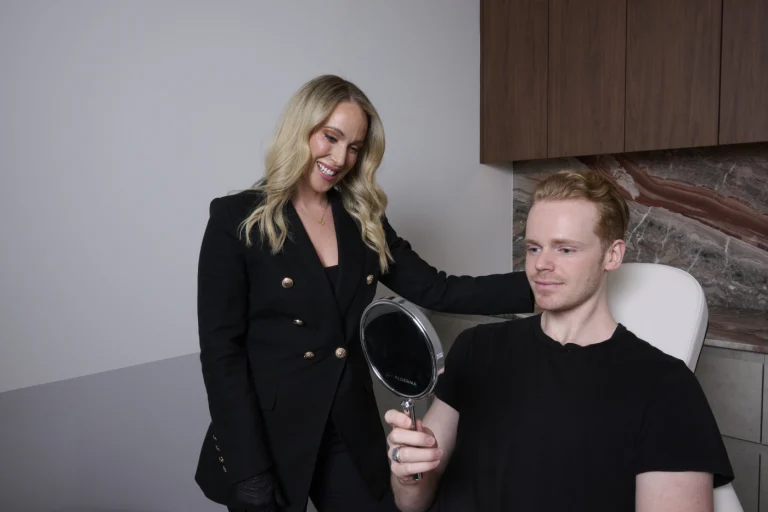
Prior to any treatment, a full consultation is required. This will include full clinical photography, skin assessment and review with the doctor or nurse to assess your areas of concern, expectations and suitability. If treatment proceeds, it is performed in a clinical setting using sterile, single-use equipment. Only medical professionals can perform this procedure.

If treatment proceeds, discomfort levels vary between individuals. Comfort measures may be discussed where appropriate.

What happens after my treatment?

Downtime varies and your specific aftercare details will be outlined for you during your consultation. 

Common, short-term effects may include:

  • Mild swelling or redness at insertion points
    Local tenderness
    Temporary bruising

Most people can resume normal activities within a few days, though recovery may take longer if a larger number of threads are placed.

Aftercare may include:

  • Avoiding facial treatments, vigorous exercise, or excessive facial movement for several days

Sleeping on your back for the first week
Avoiding heat-based therapies for several months post-treatment

What are the risks of treatment?

With any medical procedure, there are always risks involved and your doctor/nurse will discuss all risks and contraindications prior to performing any procedure.

There are side effects associated with this treatment. These may include but are not limited to: bruising, swelling, redness or tenderness.

Less common risks include infection, irritation or irregularity at the insertion site.

Threads are not recommended during pregnancy or breastfeeding, or for people with certain medical conditions. Your practitioner will explain risks and alternatives in full before treatment.

What are the costs?

Treatment costs are discussed during consultation and vary depending on the treatment plan.