
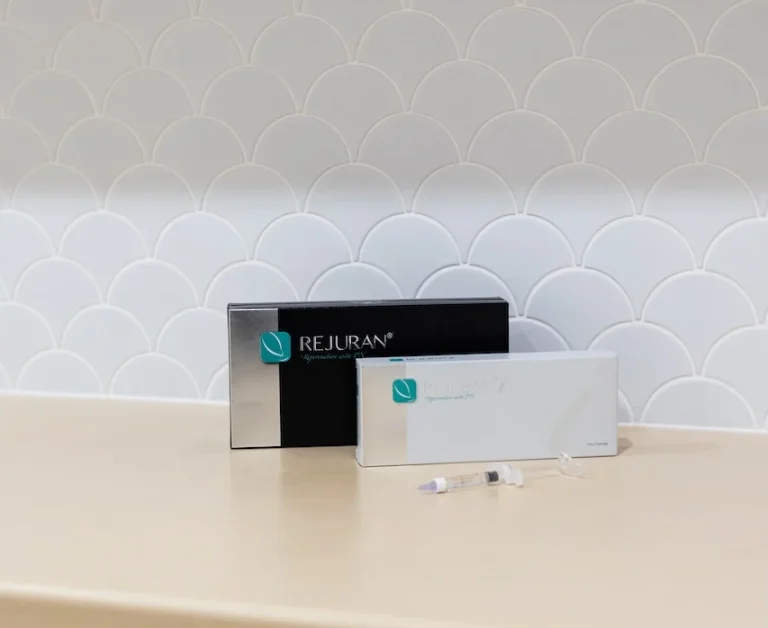

In accordance with Therapeutic Goods Administration (TGA) regulations, we are unable to provide detailed information about specific treatments online. Such information may be misinterpreted as the promotion of prescription-only (Schedule 4) medications – this is not permitted under TGA guidelines.
For this reason, a consultation with one of our practitioners is required. During your comprehensive consultation, your practitioner will carefully assess your skin, discuss your concerns, and provide education around suitable treatment options. A personalised treatment plan will then be created to address your individual needs.
Treatment costs will vary depending on your tailored plan and will be discussed with you in detail during your consultation.

What is Rejuran?
Rejuran is a polynucleotide-based injectable treatment that is used by medical practitioners in aesthetic medicine.
It contains purified polynucleotides, which are DNA-derived compounds. Rejuran is not a volumising treatment and is not intended to alter facial shape or add volume. Instead, it is discussed with individuals who are seeking options that focus on overall skin quality support.
A consultation with a qualified practitioner is required to determine whether this treatment is suitable based on individual skin concerns, medical history, and treatment goals.
Who may be suitable for consultation?
Polynucleotide therapy may be discussed with individuals who are seeking consultation regarding:
- General skin quality concerns
- Early textural changes in the skin
- Changes in skin hydration or firmness
- Non-volumising treatment options
Suitability is determined on an individual basis following consultation.
Where Can It Be Applied?
During consultation, Rejuran may be discussed for use in a range of facial and body areas, depending on individual assessment. These may include:
-
Full face (including cheeks and mid-face)
-
Under-eye / periorbital area
-
Forehead and brow region
-
Neck and décolletage
-
Hands
-
Perioral areas
Your practitioner will assess your anatomy, skin condition, and medical history to determine whether treatment in any of these areas is appropriate.
How this treatment works
A consultation with a qualified practitioner is required prior to any treatment to assess suitability and develop an individualised plan.
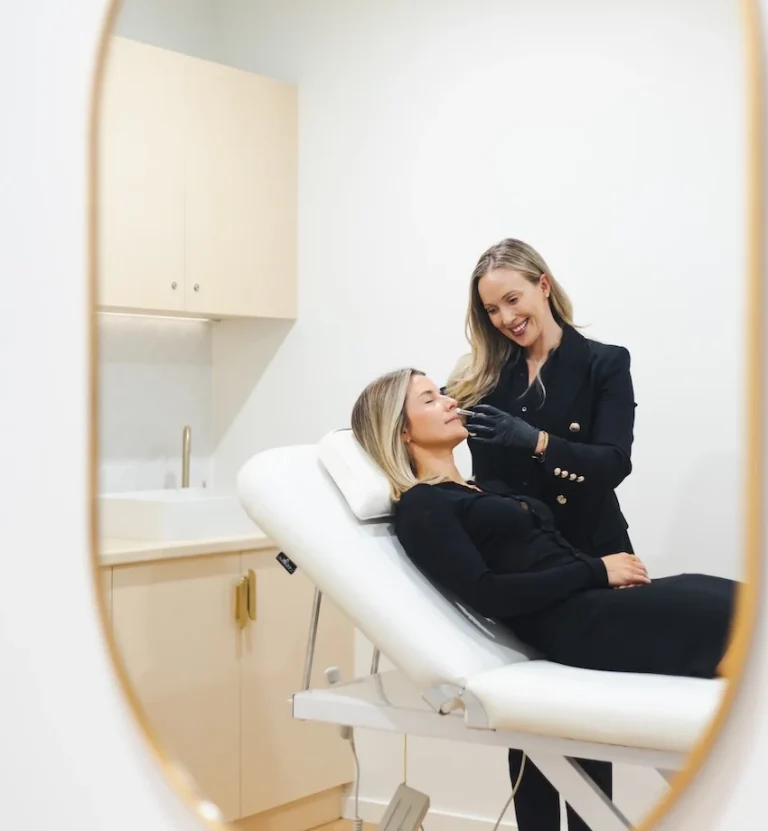
If treatment proceeds, it is performed in a clinical setting by a registered health practitioner using sterile, single-use equipment. The approach, treatment areas, and number of sessions are determined on an individual basis.
Some individuals may be advised to undergo a course of sessions, with review and maintenance discussed as part of ongoing care. Outcomes and responses vary between individuals.